Electricity - the power to protect starts with quality

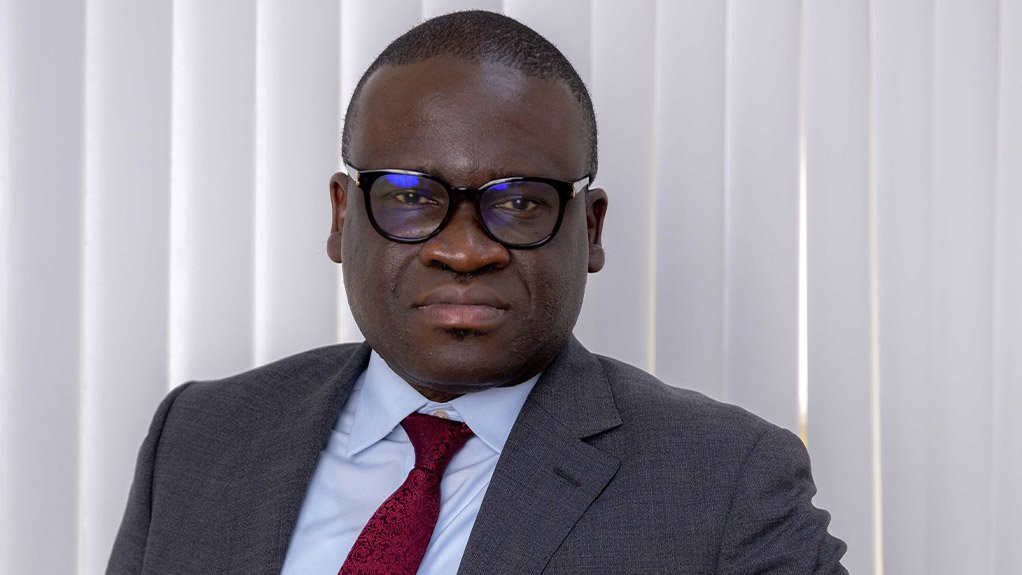



This article has been supplied.
By: Ajibola Akindele MFR - Country President, Schneider Electric West Africa
In West Africa, the integrity of electrical infrastructure must become a non-negotiable prerequisite. Our region is going through exciting growth, from commercial skyscrapers in Lagos, industrial factories in Tema to rural electrification schemes in Burkina Faso, which is why the time is now to ensure the quality of electrical components are safe, reliable and offer long-term performance.
At the heart of a reliable electrical system lies standardisation, therefore using products that meet certified safety, performance, and environmental benchmarks. In West Africa, this standardisation ensures that systems are interoperable, safe for people, and resilient when used in retrofits or new builds.
But unfortunately, and a perpetual challenge - across many markets in the region - is the circulation of lower-quality or unverified electrical products. Whilst it may look like reputable brands, these products often lack the engineering, rigorous testing, or compliance certifications that ensure safety under load, ambient heat, moisture, or surges.
Supporting the above are some stark, pertinent facts:
- According to the Nigerian Electricity Regulatory Commission (NERC, from 2021 to 2024, there have been 757 recorded electricity-related accidents. These resulted in 451 fatalities and 351 injuries. Many accidents stem from wire snaps, unauthorised connections, vandalism, unsafe practices or conditions.
- In Lagos, market fires are frequent: 1,000 fire and emergency incidents were recorded in the first half of 2025 and alarmingly, 62 people died.
- Nigeria loses an estimated US$26 billion annually due to unreliable electricity supply, excluding off-grid fuel costs
The value chain
Today, electrical projects involve many stakeholders, which include consultants, contractors, panel builders, installers, regulators. Each of these specialists play a fundamental role; if one link in this chain fails, the risk is proportionally catastrophic.
Some panel builders or contractors may unknowingly buy lower-quality components because it is cheaper or easier to source. In some cases, they might even combine genuine and lower quality parts, which is downright dangerous. It increases the likelihood of electrical failure, fires, costly maintenance, and ultimately undermines trust.
It is here where OEMs like Schneider Electric are investing in not only exceptional product quality but also partner education, regulatory engagement, and awareness campaigns. This all ensures that the entire value chain understands the costs and dangers of substandard components.
Guaranteeing authenticity
But how do contractors, consultants, and system integrators ensure product quality, safety and reliability? By partnering directly with OEMs or their certified distributors and panel builders; a fundamental first step.
At Schneider Electric, we make this process transparent; our approved vendors are listed on our official website, and we also have signage and verification systems so customers can identify trusted sources.
Partnering with OEMs offer the following important benefits:
- OEMs back their products with warranties, replacements, and after-sales service.
- Local technical expertise from the OEM provides support during design, installation, and maintenance.
- Product traceability: many OEM-produced components have bar codes, QR codes, or testing certificates that allow users to verify authenticity.
Schneider Electric has over 180 years of experience globally and has built its reputation on delivering products that meet strict global and regional standards.
Indeed, our solutions undergo rigorous testing, product development, and we engage with local standards bodies to ensure relevance and safety under West African conditions, be it heat, humidity, power surges or load fluctuations,
Ensuring quality electrical installations in West Africa goes beyond regulatory compliance which is why stakeholder support is so important:
- Contractors, consultants, panel builders must insist on verified OEMs and certified components.
- Regulators and governments should enforce standards, crack down on counterfeit electrical goods, and support awareness campaigns.
- End users (businesses, homeowners) should demand documentation, authentic products—even if they cost more up front; because the long-term costs of failure are far higher.
Ultimately, by partnering OEMs and their official distribution channels, West Africa can overcome reliability issues while and most-importantly protecting lives, safeguard assets, and contribute to more resilient, sustainable energy systems.
Article Enquiry
Email Article
Save Article
Feedback
To advertise email advertising@creamermedia.co.za or click here
Research Reports
Projects
Latest Multimedia
Latest News
Showroom
Occupational health services, mobile clinics, wellness campaigns, aviation.
VISIT SHOWROOM
Rio Carb is an OEM (Original Equipment Manufacturer) of R-C700 Chromium Carbide (CrC) alloy clad wear plates and pipes used for heavy materials...
VISIT SHOWROOM
Press Office
Announcements
What's On
Subscribe to improve your user experience...
Option 1 (equivalent of R125 a month):
Receive a weekly copy of Creamer Media's Engineering News & Mining Weekly magazine
(print copy for those in South Africa and e-magazine for those outside of South Africa)
Receive daily email newsletters
Access to full search results
Access archive of magazine back copies
Access to Projects in Progress
Access to ONE Research Report of your choice in PDF format
Option 2 (equivalent of R375 a month):
All benefits from Option 1
PLUS
Access to Creamer Media's Research Channel Africa for ALL Research Reports, in PDF format, on various industrial and mining sectors
including Electricity; Water; Energy Transition; Hydrogen; Roads, Rail and Ports; Coal; Gold; Platinum; Battery Metals; etc.
Already a subscriber?
Forgotten your password?
Receive weekly copy of Creamer Media's Engineering News & Mining Weekly magazine (print copy for those in South Africa and e-magazine for those outside of South Africa)
➕
Recieve daily email newsletters
➕
Access to full search results
➕
Access archive of magazine back copies
➕
Access to Projects in Progress
➕
Access to ONE Research Report of your choice in PDF format
RESEARCH CHANNEL AFRICA
R4500 (equivalent of R375 a month)
SUBSCRIBEAll benefits from Option 1
➕
Access to Creamer Media's Research Channel Africa for ALL Research Reports on various industrial and mining sectors, in PDF format, including on:
Electricity
➕
Water
➕
Energy Transition
➕
Hydrogen
➕
Roads, Rail and Ports
➕
Coal
➕
Gold
➕
Platinum
➕
Battery Metals
➕
etc.
Receive all benefits from Option 1 or Option 2 delivered to numerous people at your company
➕
Multiple User names and Passwords for simultaneous log-ins
➕
Intranet integration access to all in your organisation